The Geometry of Waiting: A Married Lesbian in Adelaide Marks the Hours
The news came through on the ABC Radio Adelaide bulletin just before the eleven o’clock traffic report. A dramatic rescue in the Adelaide Hills: a woman pulled from floodwaters near the Patawalonga River, which was teetering on the brink of overflowing after days of unseasonal rain. The reporter’s voice crackled with urgency, but Miriam barely registered the names of the streets or the emergency services involved. What stayed with her, long after the bulletin moved on to market updates and a missing cat in Mitcham, was the image of water rising. The way it seemed to come from nowhere, swell without warning, and rearrange the landscape in a matter of hours. She turned off the engine of her utility truck, sat in the carpark of the landscaped preserve near Belair, and felt the same thing happening to her own life.
The Art of Not Looking at a Watch
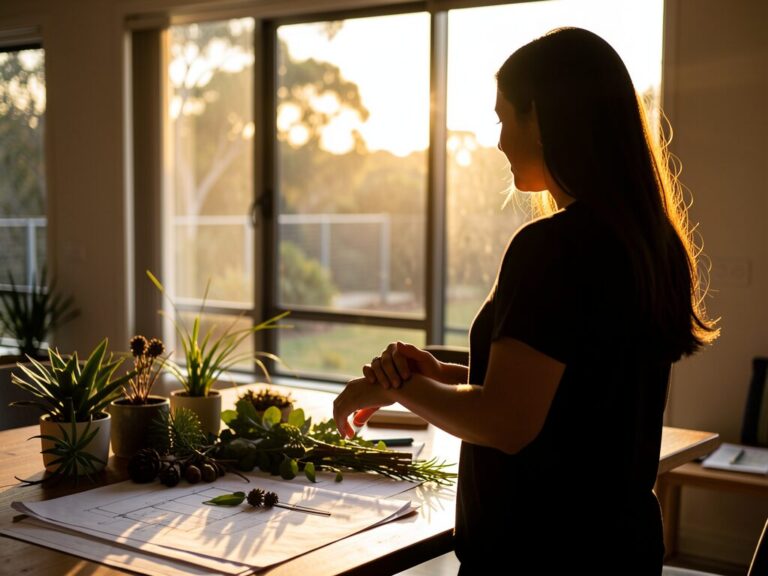
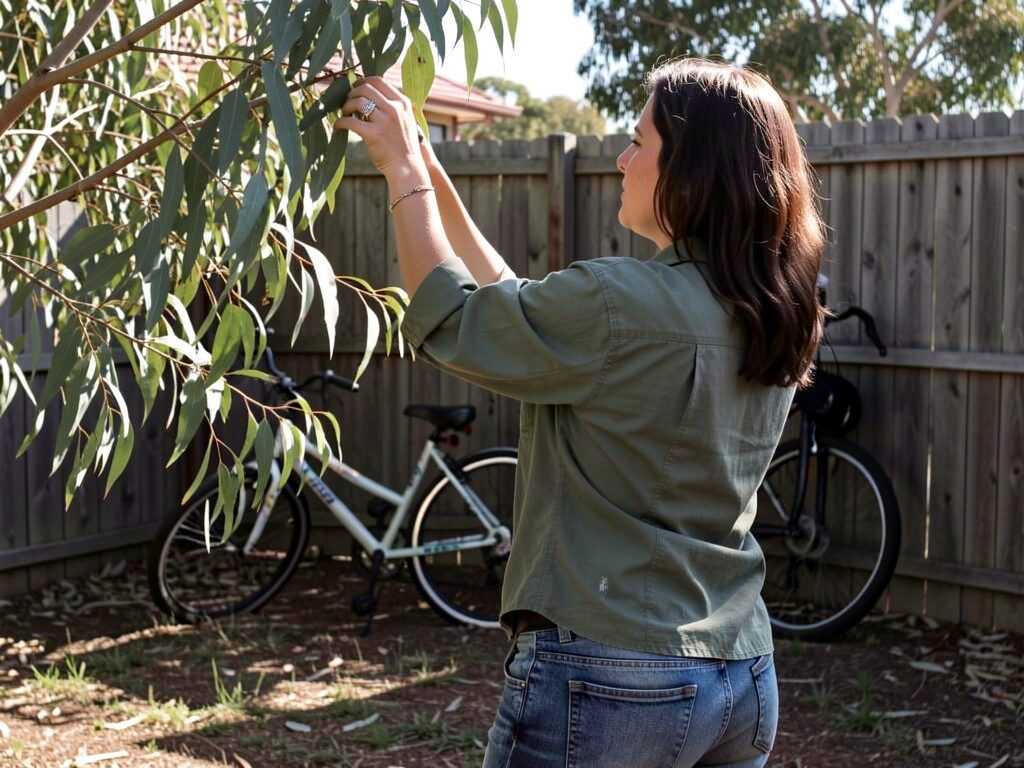
Miriam is an arborist. She climbs trees for a living. The work is precise, physical, and solitary. She knows the weight of a branch before she cuts it, the smell of sap in a wound, the sound a dead limb makes when it yields. It is a profession that demands total presence, one hand on the rope, one eye on the sky, the entire body tuned to the wind. For twelve years, it had been enough to structure her days: the clatter of gear, the quiet satisfaction of a clean crown reduction, the slow drive home to the house in the inner northern suburbs where Julia would be cooking dinner and Leo, her wife’s sixteen-year-old son, would be arguing about homework.
But lately, Miriam has stopped looking at her watch.
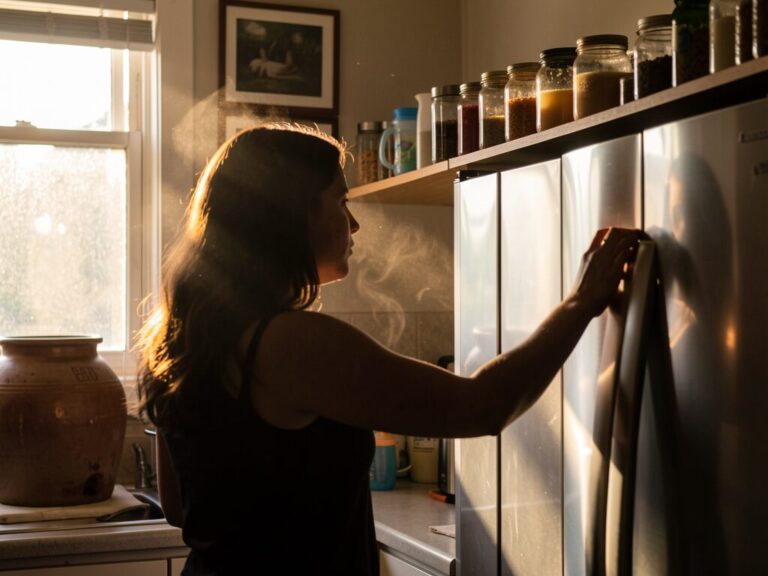
She used to check it constantly, during a pruning job, while waiting for a client, at the dinner table. It was a small, unconscious habit, a way of measuring time against a list of obligations. Now, the watch sits in the bottom of her bag, the battery dead, and she hasn’t bothered to replace it. When a friend asked her the time yesterday at the Good Life Café, she had to pull out her phone. The gesture felt foreign. She had to search for the time, as if it had become something she no longer owned.
That friend, Sarah, a fellow arborist, had been talking about a podcast called Unlocking Us while Miriam stared at the steam rising from her latte. Sarah mentioned a segment on vulnerability and risk, and Miriam nodded, but her mind was elsewhere. She was thinking about the sound of a particular voice, low and unhurried, that she had heard on the phone three days ago. The voice had said, “Next Thursday? Same time?” and Miriam had said yes without hesitation. That was all. No context, no plan beyond the coordinates of a café on the other side of the city. She had not told Julia. She had not told anyone.
The excitement of it was a secret she wore like a second skin, invisible to everyone except herself.
The Arborist’s Hands
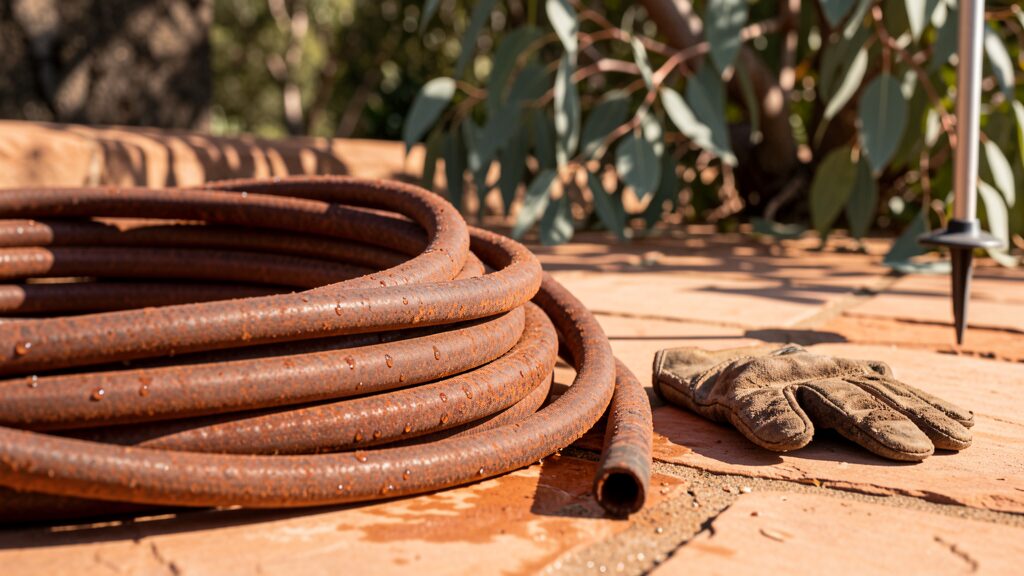
Her hands are her most honest feature. Thick calluses across the palms, a scar on the index finger from a climbing spike that slipped, nails perpetually rimmed with dirt. In the afternoons, after she has finished a job in a suburban backyard, removing a dying gum that threatened a roof, or cabling a brittle fig in a park, she washes them under a hose and feels the water run through the cracks. It is a ritual she has performed thousands of times, and it has always been just functional. But lately, she finds herself studying her hands in the low light of the garage. The way they look when they are still. The way they might look when they reach for something, or someone, new.
At the Art Gallery of South Australia, on a rainy Sunday last month, she had stood in front of a painting and thought about the film Portrait of a Lady on Fire. She had watched it alone on her laptop one night when Julia was at a work dinner. The slow burn of it, the way the two women looked at each other with an intensity that transcended words, had stayed with her. She remembered the scene where the painter traces the outline of her lover’s hand on the back of a chair, not touching, but memorising. That was what Miriam’s hands felt like now. Not grasping, not holding, but waiting. Poised in the air of an unfinished gesture.
She climbed a red gum that afternoon, the bark rough against her thighs, and as she secured her harness at thirty feet, she closed her eyes for a moment. The wind was warm and carried the scent of eucalyptus and wet earth from the recent rains. Below, a child was shouting, a dog barked. But Miriam was elsewhere, in a room that smelled of coffee and old paper, where a hand would soon rest on the table beside hers, not touching, but close enough to feel the heat.
The Patawalonga and the Waiting Game
The Patawalonga River is a modest waterway, a concrete-lined channel that winds through the western suburbs before emptying into the sea at Glenelg. It rarely makes the news. But this week, after the flood rescue, it was on everyone’s mind. According to the Adelaide Advertiser, the river had risen to within inches of its banks, and emergency crews were sandbagging low-lying areas. Miriam drove past the river on her way home that evening, taking the detour through Lockleys. The water was high, grey and swollen, and it lapped at the edges of a footpath she had walked a dozen times with Julia and Leo.
She parked the truck and got out. The air was damp and heavy, and the distant rumble of a freight train on the nearby line seemed to vibrate through the soles of her boots. She walked to the railing and looked down. The water was moving faster than usual, carrying debris, a plastic bottle, a branch, a mud-stained shoe. It was unsettling, this speed, this urgency in a river that was normally torpid.
She thought about the woman she was meeting tomorrow. The name was Elena, she allowed herself that luxury, the sound of it inside her head. Elena. They had met by accident at a seminar on urban forestry six weeks ago. A conversation about root systems that had drifted into something else. Miriam did not know where it was leading, and she did not want to know. The not-knowing was the point. It was a luxury, a deliberate choice, a breath of fresh air in a life that had come to feel like a well-oiled machine: smooth, reliable, and just a little suffocating.
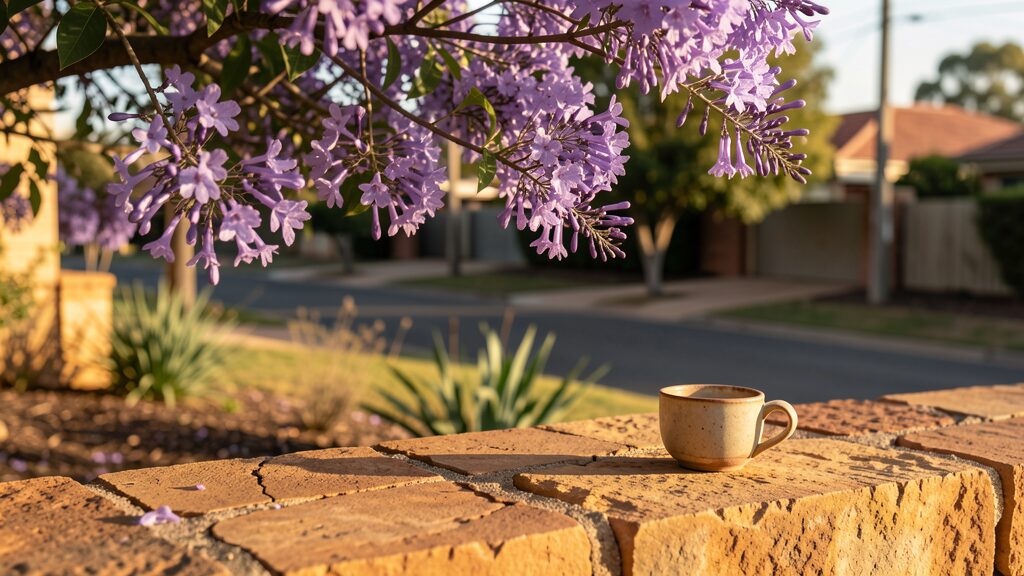
She had never cheated before. She had never wanted to. But the desire that had bloomed in her chest was not a desperate, guilty thing. It was calm, almost luxurious. It was the feeling of being chosen, not as a wife or a stepmother or a worker, but as a woman who still possessed the power to make another woman’s heart beat faster. She did not apologise for it, even to herself. She did not justify it. It simply was.
The river surged again, and a gust of wind lifted her hair. She smelled rain coming, and a faint whiff of mud and salt. Her phone buzzed in her pocket. She did not check it. The waiting was better than the knowing.
The Circle of Domestic Chores
At home, the routine was unchanged. Julia was sautéing onions in the kitchen, a glass of red wine glowing on the counter. Leo was in his room, headphones on, playing a video game that involved a lot of gunfire and shouted instructions. The cat, Miso, a grey tabby with a missing ear, wound between Miriam’s ankles as she walked in. She dropped her keys in the bowl by the door, hung her jacket on the hook, and said, “Smells good.”
“Be ready in twenty,” Julia said, without turning.
Miriam glanced at the fiddle-leaf fig in the corner of the living room. Its leaves were turning brown at the edges, drooping with neglect. She had bought it three years ago from the Adelaide Central Market, full of intention, and now it was slowly dying because she kept forgetting to water it. She had meant to repot it last spring. She had meant to feed it. She had meant a lot of things.
She poured herself a glass of water and stood by the kitchen window, looking out at the darkening street. The rain had started again, a steady patter against the glass. She could see the neighbour’s garden, the jasmine climbing the fence, the lights in the windows of houses she had never entered. She thought about Elena’s face, not the details, but the feeling of it. The way Elena had laughed at something she said, a real laugh, not a polite one. The way her fingers had grazed Miriam’s wrist as she handed her a business card.
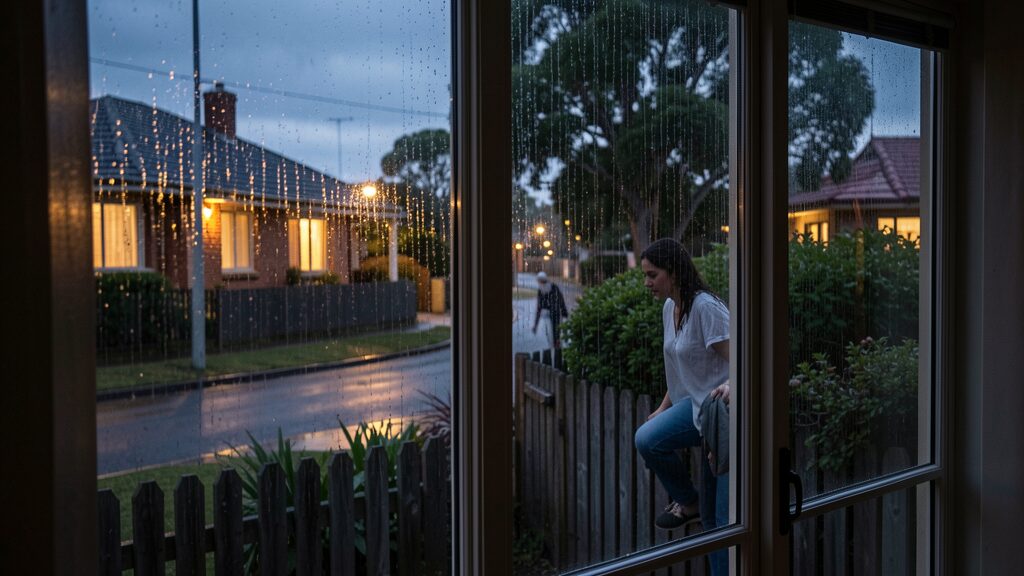
Miriam didn’t feel guilty. She felt alive.
At dinner, Julia talked about a deadline at work, she was a project manager for a non-profit, and Leo complained about a history assignment. Miriam nodded at the right moments, offered a comment about the sauce being good, and let the conversation flow around her like the river. She was present, but she was also elsewhere. The before and after of her own days had begun to shift: before, she had been invisible, a function in a household; now, she was a woman with a secret, a woman who was desired. It showed in nothing obvious, not in the way she dressed or spoke, but in the way she no longer looked at her watch, in the way she held her breath for a fraction of a second when she heard the buzz of a text message.
The Geometry of Tomorrow
She went to bed after Julia and Leo. The house was quiet, the rain a soft percussion on the roof. She lay in the dark, listening. In the morning, she would drive across town, park at a café near the Botanic Garden, and wait. She would order a long black and sit at a table by the window. She would watch the door. And eventually, Elena would walk in.
Miriam did not imagine what would happen next. The anticipation was the point, the few hours of suspension between her routine life and the moment when she would be seen fully, without context, without duty. She was an arborist, a wife, a stepmother, a woman with a dying houseplant and hands that remembered bark and rope. But tomorrow, for one hour, she would be a woman who was simply waiting. And the waiting itself was a kind of victory.
She heard the rain ease, then stop. The distant sound of a siren faded. The house settled into its usual creaks. She closed her eyes and let the geometry of tomorrow fill her, the coordinates of the café, the hour on the clock, the air that would smell of coffee and wet pavement. She did not need to know more.
Her cat Miso jumped onto the bed, circled twice, and curled against her leg. Miriam placed her hand on the cat’s back, feeling the warmth, the slow rhythm of breath. She thought of the flood rescue from the news, of the woman pulled from the water, gasping for air. The river had risen, but it had not overflowed. Not yet.
There was still time.
Meet discreet married lesbians in Adelaide
Join a discreet and welcoming community.