The Afternoon Line at 4:17 PM
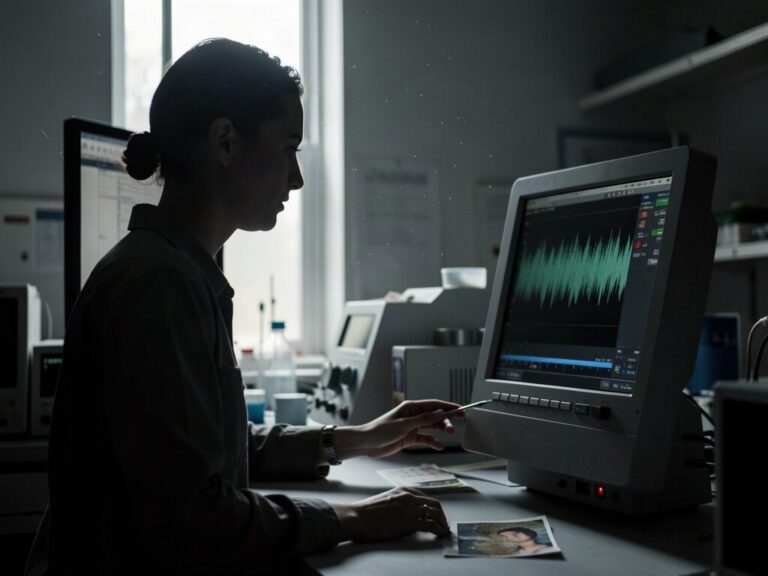
The meeting had run long, as meetings in Los Angeles always do, not because the agenda demanded it, but because nobody in this city wants to be the person who ends something. Jade Novak closed her laptop and watched the other women in the conference room linger, their voices soft and unhurried, their coffee cups cooling in the afternoon light that fell sideways through the window blinds. She did not linger. She collected her notebook, her phone, her water bottle that she kept forgetting to refill, and walked out into the hallway of the soundstage complex.
It was a Tuesday. What mattered was that it was 4:17 PM.
The Timing of the Unseen
There is a specific kind of silence that settles over Los Angeles in the late afternoon. The light turns golden but not yet desperate, the traffic has not fully congealed, and for a brief window, maybe forty minutes, maybe less, the city pauses to catch its breath. Jade had learned to recognize this pause three years ago, when she first began driving west on Santa Monica Boulevard at this exact hour, toward nothing in particular. She had told herself it was the light. The way the sun caught the Art Deco facades and the bougainvillea cascading over walls, making everything look like a film set waiting for its actors to arrive.
She had not told herself much else.
The warehouse fire in Boyle Heights had been making headlines for weeks. According to the Los Angeles Times, the city had allocated additional resources for residents still dealing with the aftermath, air quality monitoring, relocation assistance, a community health center opening on First Street. Jade had read the article on her phone while waiting for her daughter’s piano lesson to end, and she had thought about the families who had lost things they couldn’t name. Things that had no paperwork. Things that burned anyway.
She had forwarded the article to her wife, Elena, who replied with a single emoji: the exhausted face. Elena was a pediatric physical therapist at a clinic near Echo Park, and she had been treating a child from one of the affected families. The child’s lungs. The child’s cough. Jade had not asked for details. She had simply sent the article, and Elena had sent the emoji, and that was the shape of their conversation about the fire. Efficient. Kind. Done.
The Geography of a Second Life
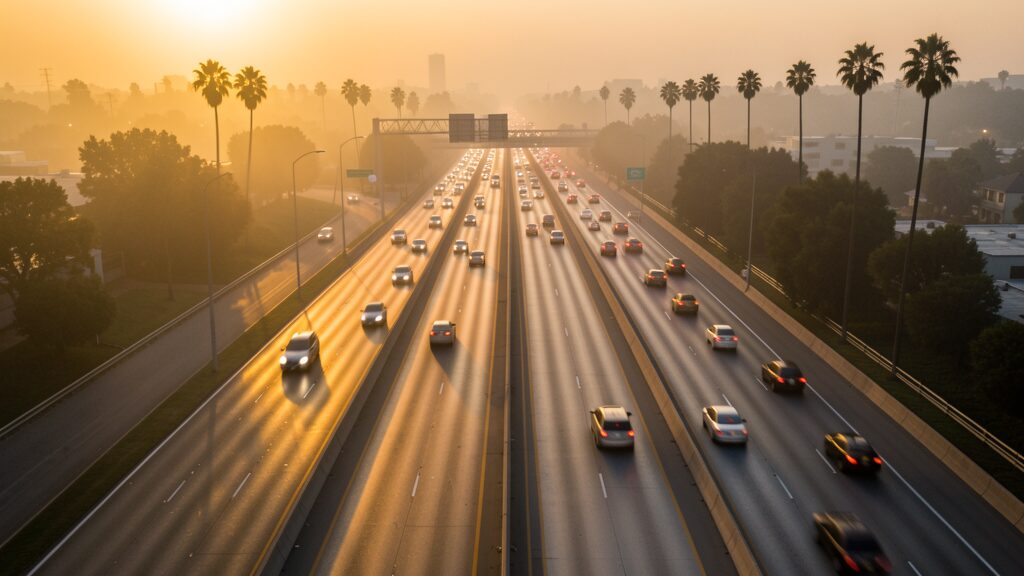
Los Angeles is a city of parallel lines. The 10 and the 101. The 405 and the 110. They run alongside each other, sometimes crossing, but mostly holding steady, separated by concrete barriers and the thin air of mutual recognition. Jade thought about this often, and not only because she worked in sound design, where frequency and resonance were the currencies she traded in.
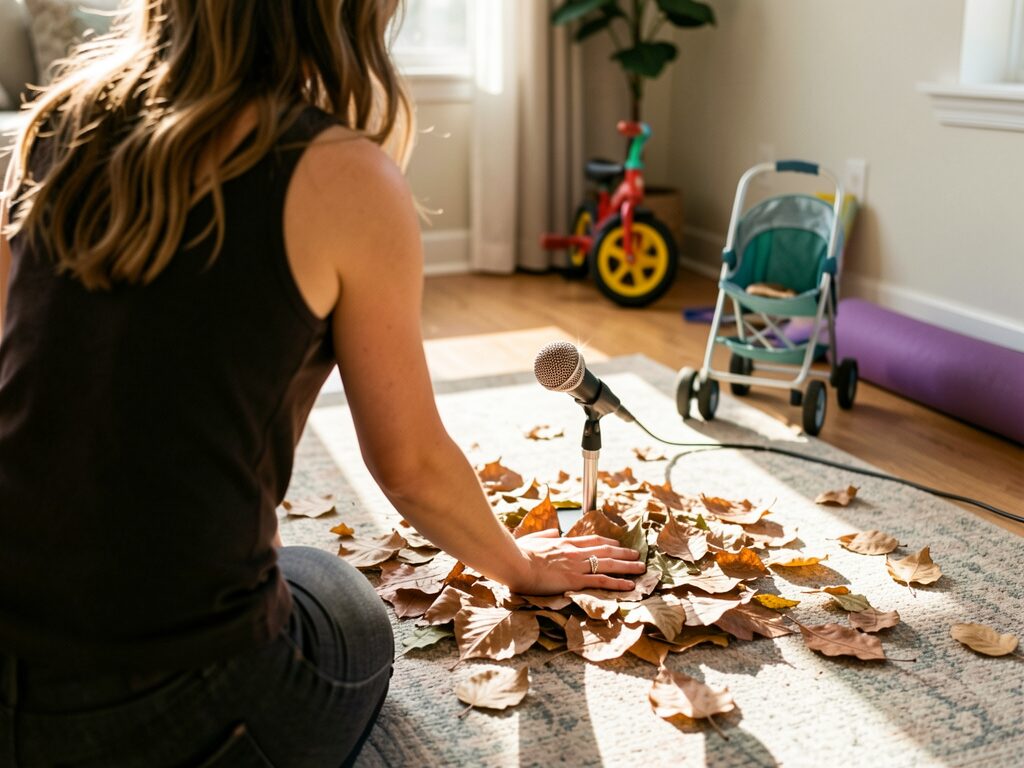
She was a foley artist. Not the kind people imagined when they thought of movie magic, no sweeping orchestras or whispered voiceovers. She was the person who recreated the mundane sounds of human existence: footsteps on gravel, the click of a door latch, the rustle of a silk blouse, the specific texture of a glass being set down on a wooden table. She had been doing this for a decade, and she was very good at it. Her career had taken her to soundstages across Los Angeles, from Burbank to Culver City, and she had learned to hear things that other people missed. The tiny gasp of a hinge. The difference between dry leaves and wet leaves underfoot. The soft, almost imperceptible hum of a refrigerator in a quiet room, which every sound editor knows is the sound of loneliness, even in the happiest of scenes.
At 4:17 PM on Tuesdays, she was supposed to be at home. Or at least on her way home. Home was a Craftsman bungalow in Highland Park, with a lemon tree in the backyard that never produced enough lemons and a porch swing that had been there when they bought the house seven years ago, before they were married, before their daughter was born, before the phrase “married lesbian in Los Angeles” had become something Jade said at parent-teacher conferences and neighborhood block parties and, once, to a customs agent at LAX who had asked about her emergency contact.
Elena had painted the living room a color called “Mojave Twilight.” Jade had never questioned this choice. She had hung the curtains, assembled the IKEA bookshelves, installed the childproof locks on the cabinets. She had done all of this with the quiet competence of someone who had learned, early in life, that the alternative to doing the thing was not having the thing done at all.
The Resonance of a Single Night
It was the light. That was what she told herself, and it was not entirely a lie. The late afternoon light in Los Angeles has a specific density, a weight that seems to press against the skin. It had been this light, or something like it, that had drawn her, three years ago, to a different coffee shop than usual, on a street she had no reason to be on, at an hour when she should have been picking up her daughter from after-school care.
The coffee shop was called Yesterday’s Tomorrow, and it was exactly as pretentious as the name suggested. Exposed brick. A espresso machine that looked like a surgical instrument. A chalkboard menu with drink names that seemed to have been generated by an algorithm designed by someone who had never actually tasted coffee. Jade had ordered a pour-over and had taken a seat by the window, and she had watched the people walking past on the sidewalk, and she had felt, for the first time in years, like she was not a character in someone else’s scene.
She had not gone looking for an affair. The affair had found her, or perhaps it had been waiting for her all along, tucked into the folds of her life like a note she had written to herself and forgotten. The woman was a photographer. She had been at the next table, editing images on a tablet, and she had looked up and smiled, and Jade had smiled back, and that was the beginning of something that Jade had never quite known how to name.
They met on Tuesdays. Sometimes Thursdays. Always at this hour, when the light was right and the city was between breaths. They did not talk about Elena. They did not talk about the daughter, whose name was Mila and who was five years old and who had recently developed a passion for dinosaurs that bordered on the religious. They did not talk about the future, because the future was not something either of them was interested in. They talked about light. About the particular gold of a December afternoon. About the way shadows stretched across the floor of the coffee shop like hands reaching for something just out of grasp.
The Physics of the Glass Ceiling
There is a moment in every foley session when the artist must stop thinking and start feeling. The sound of a kiss is not a kiss. It is the subtle wetness of a thumb pressed into a cheek, the soft suction of release. The sound of rain is not rain. It is a spray bottle aimed at a shallow pan of water, the droplets hitting at different intervals to create the illusion of chaos. Jade had learned to manufacture reality from fragments, and she had become skilled at accepting the substitute as the real thing.
She thought about this on the drive home from the Tuesday meetings. The sun in her rearview mirror. The radio murmuring about the Boyle Heights recovery efforts, about the fundraisers and the free clinics and the volunteers still sifting through debris. She thought about the families who had lost their homes, and she thought about how strange it was to lose something and still have to live inside the shape of it. The walls that were gone but still stood in memory. The door that no longer led anywhere.
She did not feel guilty. This was not a decision she had made lightly, nor was it one she had made at all. It had simply happened, the way a crack happens in a ceiling, not all at once, but gradually, over time, until one day you look up and there it is, a fissure that lets in a kind of light you had forgotten existed. She had not chosen the crack. She had only chosen not to repair it.
There was a specific detail about her childhood that she remembered at strange moments, usually when she was driving, usually when the light was this exact shade of gold. She had grown up in a suburb of Sacramento, in a house with a swimming pool that nobody used. Her mother had covered it with a tarp when Jade was eight, after a neighborhood child had fallen into a different pool and drowned. The pool became a kind of ghost in their backyard, present but inaccessible, visible only as a slight depression under the blue vinyl. Jade had known, even then, that something can be both there and not there. That you can stand on top of a thing and never touch the water.
The Shape of a Saturday
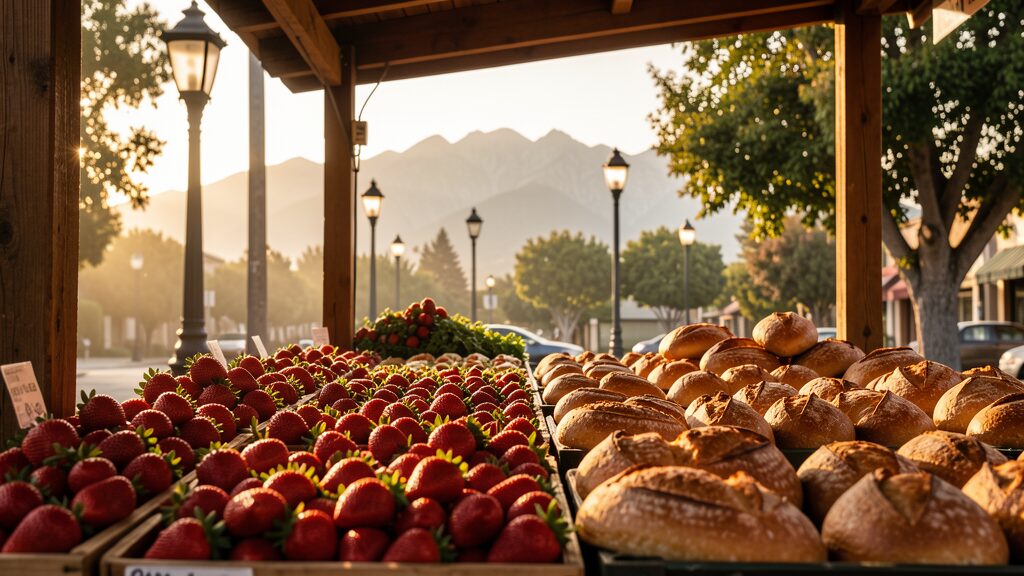
On Saturday mornings, Jade and Elena took Mila to the farmers’ market at the edge of South Pasadena. They bought strawberries that tasted like sugar and bread that still held the warmth of the oven. They walked past the stalls of honey and olive oil and cut flowers, and Mila ran ahead to see the woman who sold handmade soap shaped like dinosaurs. Jade held Elena’s hand. It was a habit, not a performance. They had been together for eight years, married for six, and their hands had learned each other’s shape the way two rivers learn the same bank.
Elena was talking about a patient, a teenager who had been in a car accident, whose recovery had plateaued, who needed more intensive therapy than the clinic could provide. Jade listened. She nodded. She said the right things. She was good at this, too. She had learned to be present in her own life the way she needed to be present during a recording session: attentive, responsive, but aware that the real work was happening somewhere beneath the surface, in frequencies that most people couldn’t hear.
She had told Elena about the coffee shop. Not about the woman, but about the place itself. “There’s this spot on Sunset,” she had said one evening, while they were making dinner. “Good coffee. Good light.” Elena had said they should go together sometime, and Jade had agreed, and they had never gone, because weekends were for farmers’ markets and dinosaurs and the slow accumulation of domestic life.
She had never contradicted her own love for her family. The affection was genuine, durable, a thing she had built with her own hands. But there was another thing she had built, and it existed in a parallel key, a different frequency, and she played both melodies without confusion, without apology, without the need for resolution.
The Window at 4:17 PM
The coffee shop had a window that faced west. At 4:17 PM, the light came through at a specific angle, illuminating the dust motes suspended in the air, making them look like tiny gold planets orbiting nothing at all. The photographer had noticed this first. She had pointed it out. She had said, “Look at that,” and Jade had looked, and she had seen something she had never seen before, even though she had spent her entire professional life paying attention to the invisible.
She did not plan to stop going. She did not plan to continue. The affair existed in the same suspended state as the dust motes, held aloft by the light and the hour and the particular geometry of a Tuesday afternoon. It did not require a future. It required only that she show up, that she allow herself to be seen, that she accept the substitute as the real thing.
Los Angeles was burning in small ways and rebuilding in large ones. The warehouse fire would be a memory, then a footnote, then a line in a city report that nobody read. The families would move on or wouldn’t, and the light would keep coming through the window at 4:17 PM, and Jade would keep driving west, toward nothing in particular, toward everything she had not known she was looking for.
She did not look at her watch. She had stopped looking at her watch months ago. The time was not the point. The time was only the frame through which she could see the picture.
The car idled at a red light. The sun hit the windshield. She did not look away.
Meet discreet married lesbians in Los angeles
Authentic profiles, guaranteed privacy, free access.