The Humidity of a Lie: A Portrait of a Man in Parts
Part One: Barometric Pressure
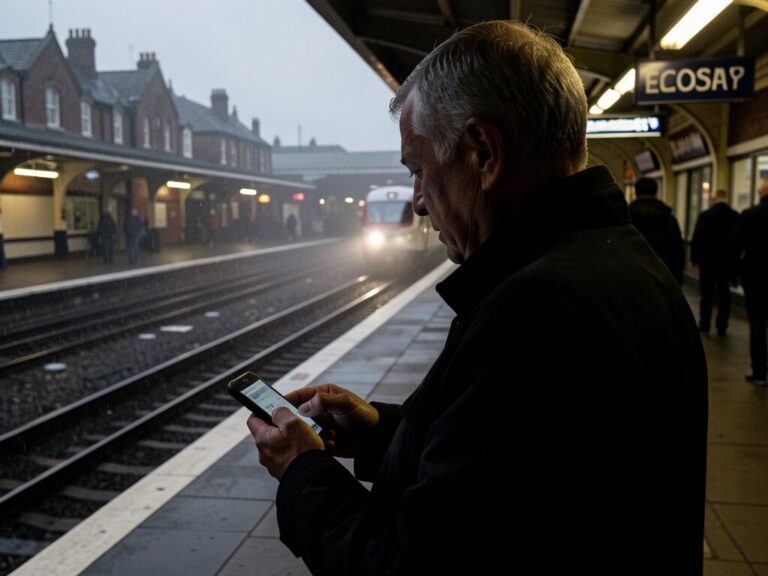
There is a particular heaviness to Melbourne in late February, when the northerly winds drag heat down from the desert and the city contracts into its air-conditioned shells. Philip noticed it every year, the way the light turned white and accusatory, the way the cicadas screamed from the elms along his street in Ivanhoe, the way his collar felt damp by nine in the morning. He was, by all accounts, a man who appreciated the weather as a barometer of internal states, which is perhaps why he found himself standing outside a café in Fitzroy on a Thursday afternoon, watching the clouds pile up over the city like dirty laundry.
The Age had reported that morning that Salesforce had suffered yet another sewage leak at its Melbourne headquarters, the third in eighteen months, according to the paper’s technology desk, and Philip had read the article twice while eating his muesli, because the absurdity of it pleased him. A trillion-dollar company brought low by plumbing. It felt, he thought, like a metaphor for something he wasn’t quite ready to name.
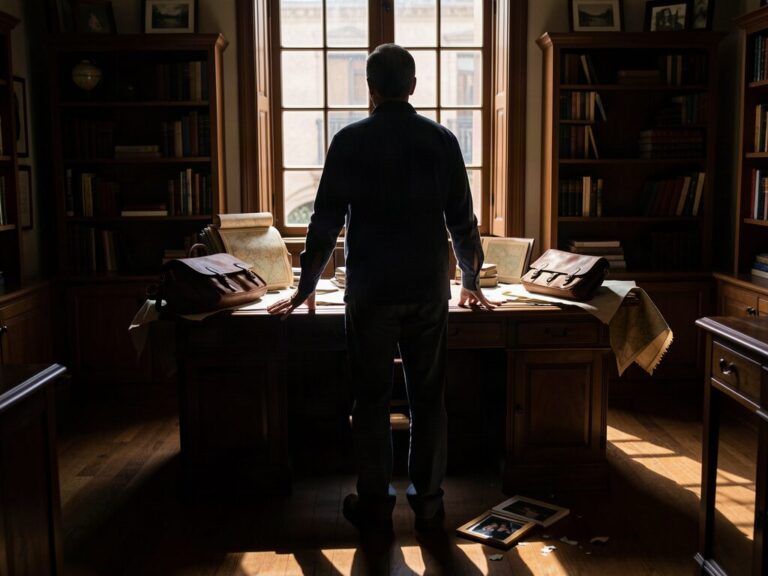
He was fifty-three years old, a dental prosthetist with a practice in Camberwell, married for eighteen years to a woman named Catherine, and father to a fourteen-year-old daughter, Eliza, and an eleven-year-old son, Thomas. He was also, as of approximately four months ago, having an affair. He did not call it that. When he thought about it, which he did, more often than he cared to admit, he thought of it as a kind of atmospheric shift, a low-pressure system moving in from the bay.
Part Two: The Incoming Front
The affair had begun the way most things begin for men like Philip: with a series of small, plausible decisions that formed a path he could pretend he hadn’t chosen. A work conference in Sydney. A hotel bar. A woman who laughed at something he said about the tensile strength of acrylic dentures, which was, objectively, a terrible joke. She was younger, though not obscenely so, he told himself, and she worked in medical device sales, and she had the particular quality of making Philip feel as though his observations about the world were newly valuable, newly interesting.
He did not feel guilty. This was, perhaps, the most surprising thing. According to a Pew Research Center study published last year, approximately one in five married adults in Australia reported having been unfaithful at some point in their relationship, and the numbers skewed higher for men in their fifties. Philip had read this statistic somewhere, a newspaper, a podcast transcript, he couldn’t remember, and it had comforted him, the way statistics always comfort men who prefer to think of themselves as data points rather than architects of their own ruin.
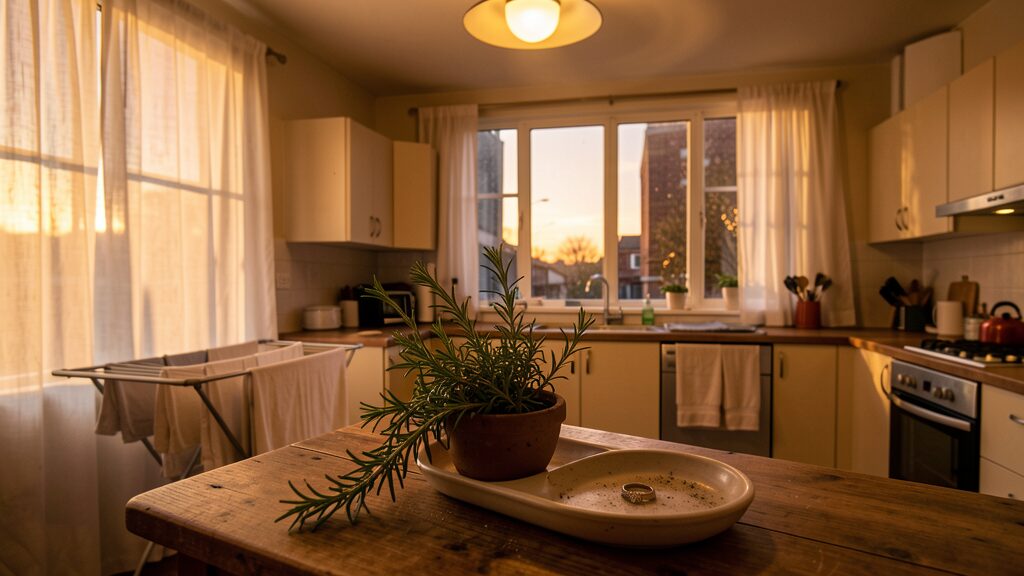
Catherine was a good wife. This was not a lie Philip told himself to feel better; it was simply true. She remembered the names of his patients, asked about their progress, once sent a handmade card to an elderly widow who had struggled with her new dentures. She packed his lunches when he was running late, maintained a garden that was the envy of their street, and had, over eighteen years, built a home that smelled like rosemary and clean laundry. She deserved better than a husband who came home with the ghost of another woman’s perfume on his collar, who stood in the shower longer than necessary, scrubbing at skin that felt borrowed.
But Philip had discovered, at fifty-three, that deserving and wanting were two different currencies, and he had been spending the latter with the reckless joy of a man who had forgotten he had a bank balance at all.
Part Three: The Storm Cell
There is a cafe in North Fitzroy that Philip has never entered. It is called The Roasting Warehouse, and it occupies a converted warehouse space with exposed brick and mismatched furniture, the kind of place that smells like single-origin coffee and decisions you can’t take back. He knows this cafe exists because he has looked at its menu online, has read the reviews, has driven past it twice. It is where he would meet her, if he were the kind of man who met women in cafes.
Instead, they communicate through a rhythm of silences and signals that had developed organically, like moss on a stone. A message sent at 2:47 PM, a time he had calculated to fall between his afternoon patient and Catherine’s yoga class. A response at 5:12 PM, when she was driving home from work. A meeting at a hotel in Docklands, where the windows looked out at the swooping curve of the Bolte Bridge and the sky was always the color of mercury.
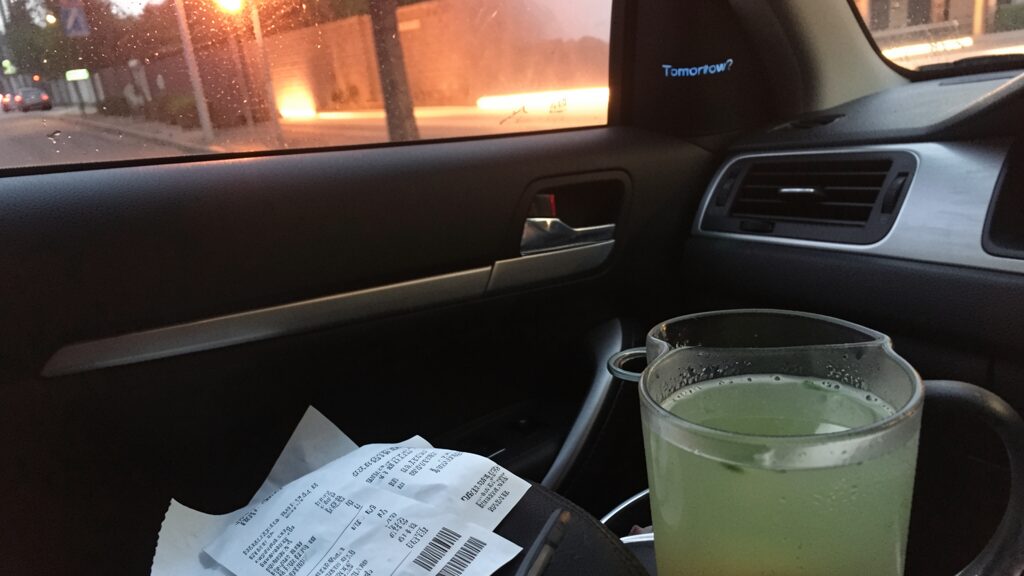
The most powerful moments were never the ones he could describe. It was the after: the way his phone screen glowed in the dark of his car, the single word “Tomorrow?” that he stared at for fourteen minutes before typing back a single letter. It was the crumpled receipt on the passenger seat, a coffee he had bought but never drank. It was the taste of mint tea the next morning, sharp and clean, erasing something he didn’t want to remember.
He did not feel hunted. He did not feel haunted. He felt, instead, the strange luxury of having a secret that belonged entirely to him. Catherine knew nothing. Eliza, in the throes of year nine drama, was too absorbed in her own social universe to notice her father’s new preoccupation. Thomas, at eleven, still believed that adults were fundamentally boring creatures who had long ago shed the capacity for surprise. Philip was happy to let them believe it.
Part Four: The Eye
On the third Thursday of February, Philip took the afternoon off. He told his receptionist, a woman named Janine who had worked for him for seven years and whose husband bred racing pigeons, a fact Philip knew but had never once asked about, because that was the kind of relationship they had, that he had a dentist appointment. The irony of the lie was not lost on him, but he told it anyway, cleanly and without apology.
He drove to the city with the windows down. The Salesforce leak had made the radio news again, something about a basement pump failure, raw sewage in the lower levels, a remediation team in hazmat suits. Philip listened to the report with the same detached interest he might give to a natural disaster unfolding in another country. The announcer’s voice was grave, professional, the way Australian voices always are when discussing infrastructure failures. “According to The Age…” it began, and Philip turned up the volume, enjoying the way the story filled the car.
He parked in a multi-storey on Collins Street, the kind where you squeeze your car into a space designed for a smaller vehicle and pray the doors don’t meet the concrete pillars. He did not check his phone. He did not look at the message that he knew was waiting there, the one that would confirm a time and a room number and a constellation of hours that belonged to no one else.
Instead, he walked. Down Collins, past the Gothic spires of the Stock Exchange, past the tourists photographing the Block Arcade, past the office workers eating sandwiches on benches under the pale February sun. He stopped at a newsagent and bought a bottle of water. He did not buy a paper. He already knew what the papers said: the same things they had said yesterday, the same things they would say tomorrow. Melbourne weather: humid, chance of a late storm. A man in his fifties was seen walking through the city, his hands in his pockets, his face turned toward the sky.
Part Five: The Aftermath
The hotel room was on the twenty-second floor. The windows were tinted, so the city outside looked like a photograph left too long in the sun, all its edges softened and blurred. The sheets were white, institutional, changed daily by people whose names he would never know. There was a miniature bottle of wine in the minibar, a Shiraz from the Barossa Valley, and he had not opened it, because the gesture felt too deliberate, too much like a scene from a film.
She was already there when he arrived. He did not describe what happened next. The most important moments are the ones that exist only in the space between what is said and what is remembered, in the fold of a shirt left on a chair, in the impression of a body on hotel sheets, in the screen he would stare at later that night, reading the same message over and over until the words lost their meaning.
He left at 5:47 PM. He remembered the time because the numbers were sequential and they pleased him, the way tidy numbers always pleased him. He drove home through the evening traffic, the city glittering in his rearview mirror, and when he walked through the front door Catherine was in the kitchen, stirring something on the stove that smelled like ginger and sesame.
“How was the dentist?” she asked, not looking up.
“Fine,” he said. “All clear.”
She smiled, and he kissed her forehead, and the lie sat between them like a piece of furniture that no one remembered buying but that everyone had simply accepted as part of the room. He sat down at the table. Thomas was doing homework in the corner, his pencil moving in slow, deliberate strokes. Eliza was in her room, the bass of her speakers vibrating through the ceiling. The house smelled like rosemary and clean laundry and the faint, lingering sweetness of something that would not be mentioned again.
Part Six: The Forecast
The unfaithful husband Melbourne had become, over the course of four months, a kind of ghost who walked through his own life without disturbing the furniture. He attended parent-teacher conferences. He fixed the laundry door when it stuck. He listened to Catherine describe her day at work, she was a landscape architect, designing public parks that she would never visit, because who, in the end, actually visited the parks they made?—and he nodded in the right places, asked the right questions.
He did not feel like a liar. He felt, instead, like a man who had discovered a secret room in his own house, a room he had walked past for eighteen years without noticing. It was not a better room. It was not an escape. It was simply a room, with its own light and its own air, and he could enter it or not, as he chose.
The next morning, he woke before the alarm. The house was quiet. Catherine’s back was turned, her breathing slow and even. He lay in the dark for a long time, listening to the distant hum of the city waking up, the first tram of the day rattling past on its tracks, the forecast on the radio predicting another day of high humidity and intermittent storms.
He thought about the room on the twenty-second floor. He thought about the way the light had fallen across the carpet, the way the city had looked through the tinted glass, the way the air had smelled when he opened the door and stepped out into the corridor.
He did not think about whether he would go back.
He did not think about whether he should.
He thought, instead, about the rain that was coming, and the way the city would smell after it passed, clean and scrubbed and new, and he let himself imagine, for just a moment, what it would feel like to be caught in it without an umbrella, to stand in the middle of a street and let the water soak through his clothes.
It was a small thought. It was a free thought. It was, in the end, just a thought, and it belonged to him, and he did not apologize for it.
He got out of bed. He made coffee. He checked his phone.
The message was there, as he knew it would be.
He did not open it. Not yet.
He drank his coffee, black, and watched the sky lighten over the rooftops of Ivanhoe, and he thought that this, too, was a kind of weather, a slow, building pressure that would eventually break, one way or another, into something that could not be taken back.
And that, he decided, was exactly the point.
Meet discreet married men in Melbourne
Authentic profiles, guaranteed privacy, free access.