The Museum of Afternoons
She has never quite believed in the arithmetic of a life. The adding up of years, the balancing of accounts, these are tasks for other people, people who keep receipts, who remember anniversaries, who know what they are supposed to want. Her own calendar runs on a different logic: not the forward march of days but the recurrence of certain hours, the ones that belong to no one else.
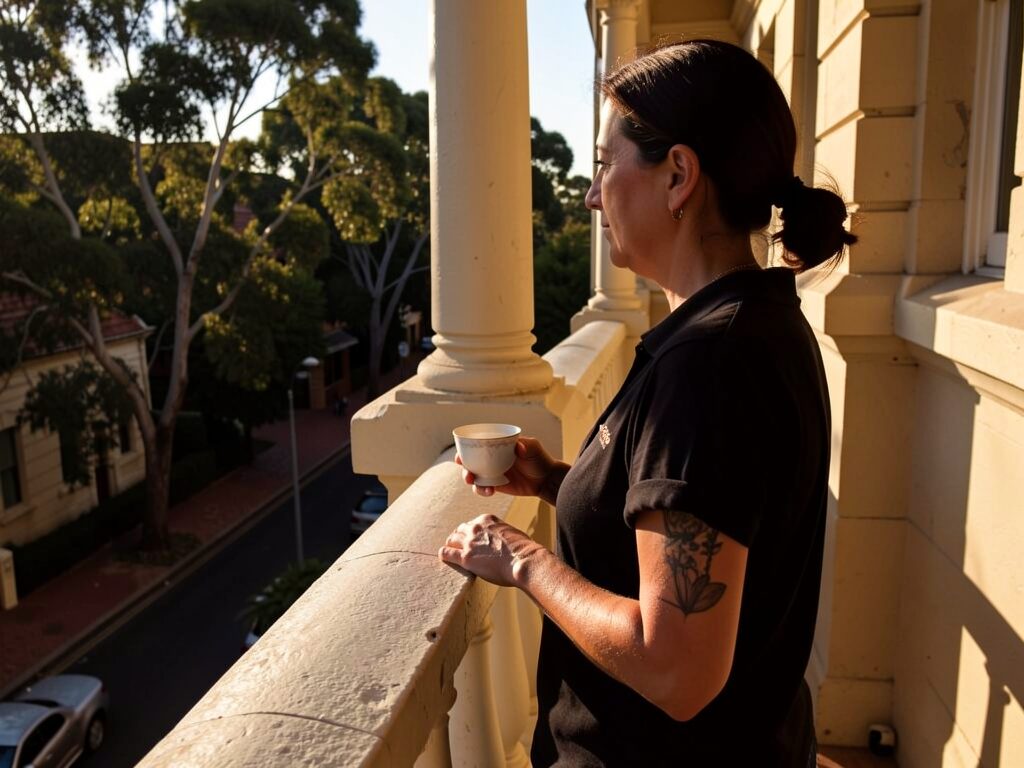
At 42, she has learned that the most important rooms in a city are the ones without a name on the lease.
Chosen
The first time it happened, she was standing in the bathroom of a Darlinghurst apartment that smelled of sandalwood and something electrical, like ozone before a storm. She had not planned to be there. She had come for a dinner party, the kind where you bring a bottle of wine you cannot afford and spend the first hour pretending you know more about the host’s work than you do. He was not the host. He was a guest, like her, leaning against the kitchen counter with a glass of water he never drank. She noticed his watch first, not because it was expensive, but because he kept looking at it, not to check the time, but as if it anchored him to something.
They spoke for twenty-three minutes. She knows this because she counted the seconds between his glances, the way you count the space between lightning and thunder. He told her he worked in renewable energy project finance, a job she still cannot describe to anyone, though she has heard him explain it twice. She told him she was an architectural historian, which is true, though she has never said it with any conviction until that night. He smiled. She does not remember what he said next. She remembers the weight of him tilting toward her, the way a building shifts before it settles.
In the bathroom, after, she looked at herself in the mirror. Her face was the same face she had worn all day: the one that reviewed grant applications, that nodded through meetings about heritage-listed terraces, that smiled at the man at the corner cafe who always gave her an extra shot of espresso without asking. But something in the arrangement of her features had changed. She looked seen.
That was eleven months ago. The apartment has since been sold, Sydney property being what it is, and now there is a different apartment, in Surry Hills, with a courtyard she has never seen in daylight. She knows the shape of the lock, the way the key sticks if you turn it too fast. She knows which floorboard creaks and which window does not quite close. She knows the name of the woman who lives downstairs, though they have never met: Marcela, according to the mail slot. Marcela has a dog that barks at exactly four in the afternoon, and sometimes, when the light hits the wall a certain way, she thinks about leaving a note to explain the noises.
She does not leave a note.
Threshold
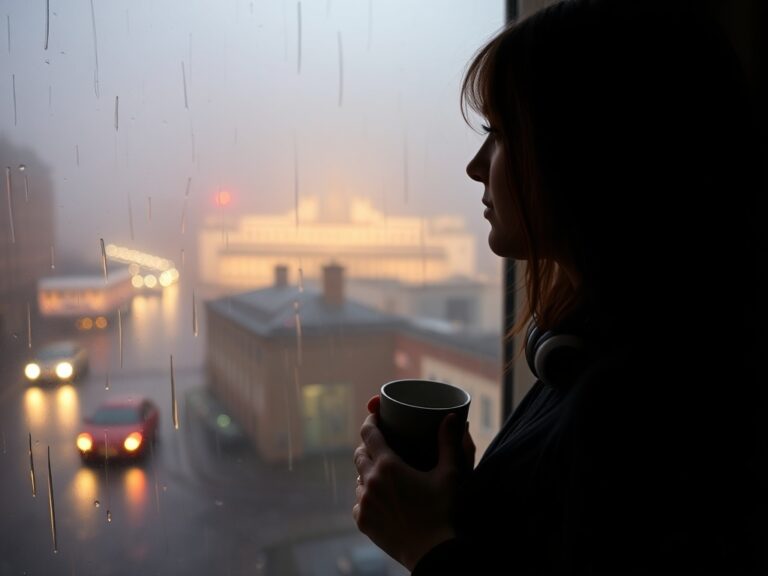
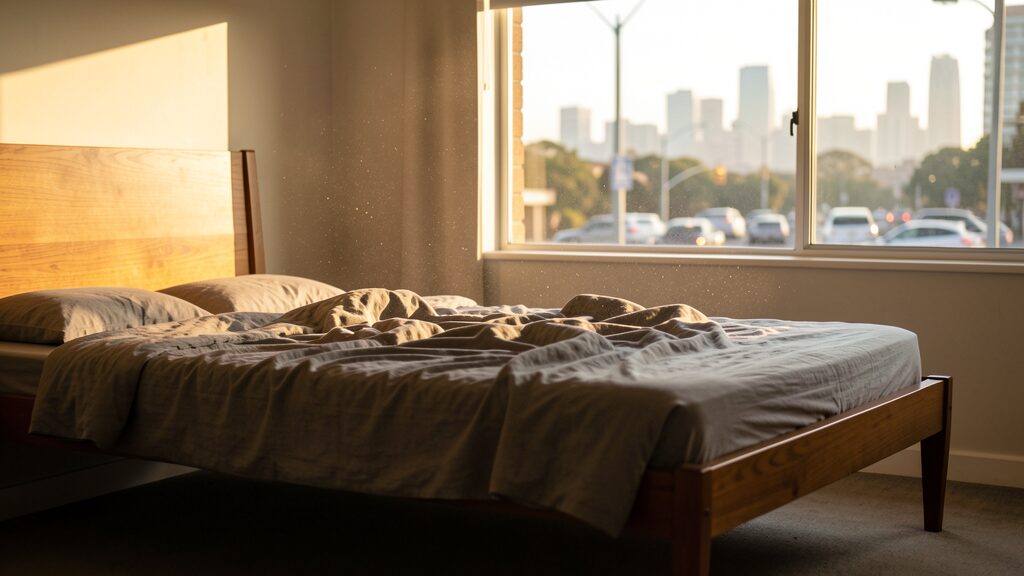
There is a moment, just before he arrives, that she has come to treasure more than the arrival itself. It is a sliver of time that belongs entirely to her: the hinge between before and after, when the room is still empty but already charged with intention. She sits on the edge of the bed, the one good piece of furniture in the apartment, a mid-century frame he bought at an auction in Annandale and insisted on carrying up three flights of stairs himself, and she listens to the traffic on Cleveland Street. A bus groans. A bicycle bell rings. Someone in the street laughs, and the sound is so ordinary it feels like a secret.
On the nightstand, her phone buzzes. She does not look.
Before, she would have looked. Before, she would have checked the email from her supervisor, the one she has been avoiding for three days. Before, she would have scrolled through the rental listings, the endless parade of studio apartments in Redfern, in Erskineville, in Marrickville, all described with the same desperate optimism: compact, character-filled, perfect for a professional. According to the Sydney Morning Herald, rents in the city have hit what the article calls “grossly unaffordable” levels, with the median weekly rent for a unit now exceeding $700. She read the article twice, not because she was looking for a place, but because she wanted to feel the weight of it: the knowledge that she could not afford to live in the city she studies, not without the kind of compromise she is no longer willing to make.
She has not compromised in eleven months. This, too, feels like a kind of wealth.
The buzzer rings. She waits three seconds, not to play a game, but to hold the moment a little longer. Then she presses the intercom, and his voice, slightly distorted, says her name.
Silence
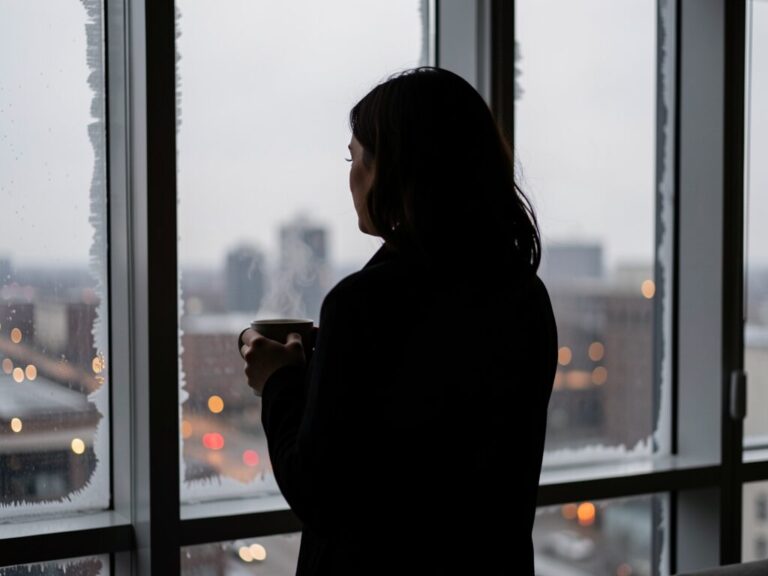
After, there is silence. Not the awkward kind, but the kind that settles like dust after a storm. He lies on his back, one arm behind his head, and she traces the line of his collarbone with her finger, not because she is trying to be intimate, but because she is an architectural historian and she cannot help mapping things. The apartment breathes around them: the hum of the refrigerator, the distant siren of an ambulance heading toward St. Vincent’s, the click of the central heating turning on. Outside, the city goes about its evening. They do not.
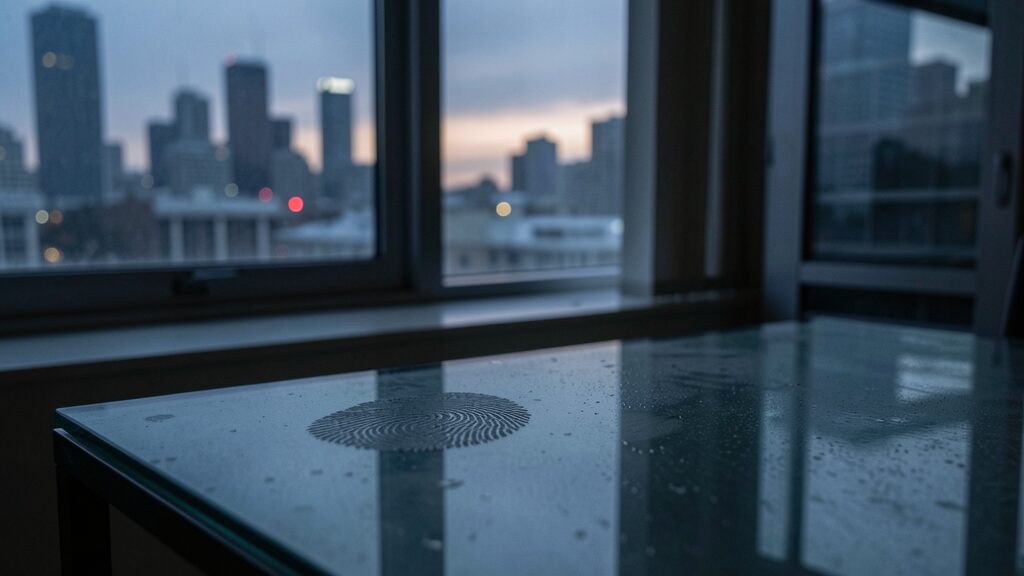
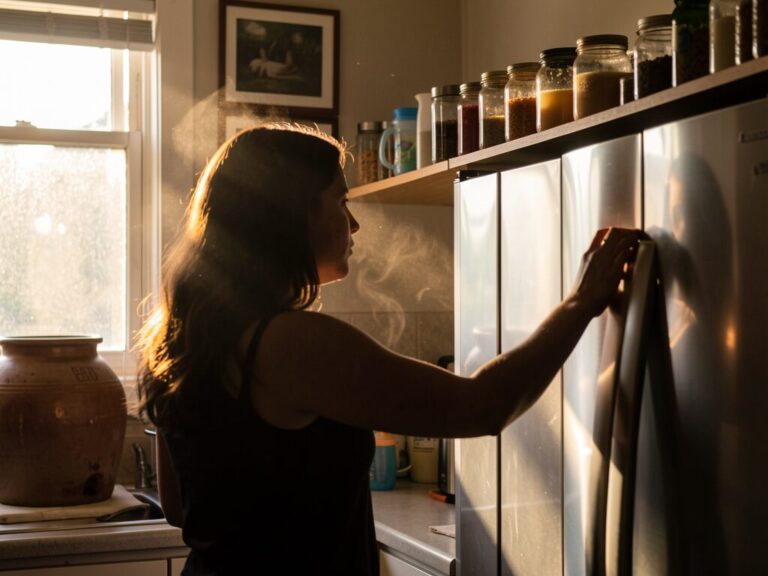
She thinks about Felix, her colleague at the university, who restores vintage motorbikes on weekends and once told her that the hardest part of any restoration is knowing when to stop. You can strip a bike down to its frame, replace every part, repaint every panel, and end up with something that looks perfect but has no soul. The trick, he said, is to leave a little wear, a scratch on the tank, a patina on the chrome, so the bike remembers what it was before you touched it. She has thought about this conversation more than she expected to. She has thought about it while standing in the kitchen of the Surry Hills apartment, running her thumb over the crack in the ceramic mug he uses for tea. She has thought about it while watching him sleep.
She does not think about his wife. Not because she is avoiding it, but because the thought is like a key that no longer fits a lock. She knows the facts: a marriage of twelve years, a daughter in primary school, a house in Randwick with a jacaranda tree she has never seen. She knows these things the way she knows the population of Sydney, a statistic, relevant but not immediate. The marriage is real. She does not deny it. But it is not the only reality in the room.
He stirs, says something she does not catch, and rolls onto his side. The sheet slips. She looks away, not out of modesty, but because some things are better left to the imagination. This is a lesson she has learned, over the months: that the most powerful moments are the ones that happen in the spaces between. The anticipation before the buzzer. The silence after the words. The memory of a touch that lingers into the morning, when you drink your coffee and taste someone else on your lips.
The Archive of Skin
In the morning, she wakes alone. This is the arrangement, and she has never questioned it. He leaves before dawn, a ghost in the hallway, and by the time light comes through the window, the apartment is hers again. She makes coffee in the cracked mug. She checks her phone. She reads the news: Sydney’s housing crisis continues, a big battery project in the middle of the city faces a planning review because of complaints from residents eight hundred kilometers away, a football match ended in controversy. The world carries on without her.
She carries on, too. She showers. She dresses. She catches the bus to the university, where she spends the morning in the archives, cataloguing photographs of nineteenth-century terrace houses that no longer exist. The work is slow, meticulous, meditative. She touches the edges of the photographs with her fingertips, feeling the texture of the paper, the way it has aged and yellowed and curled. She thinks about the people who lived in those houses, their lives compressed into a single image: a woman in a long skirt standing on a verandah, a child holding a dog by the collar, a man in a hat leaning against a fence. She does not know their names. She does not know their secrets. But she knows they were here, that they left their marks in the grain of the wood, in the tilt of the roof, in the way the light fell across the garden at four in the afternoon.
She has a contradiction, and she knows it. She has often argued, in meetings and over wine, that the preservation of heritage buildings is a form of collective memory, a duty to the future. She believes this. But she also believes that some things should not be preserved. Some things should be allowed to decay, to slip into the past without an archive. Some things should exist only in the moment they are lived, untethered to documentation, uncatalogued, free.
She has not told anyone about the apartment in Surry Hills. She has not told Felix, who would ask questions she does not want to answer. She has not told her sister, who would worry. She has not told the man at the corner cafe, who still gives her the extra shot of espresso and probably suspects nothing. The apartment is hers and not hers, a place that exists outside the grid of her life, a blank space on the map.
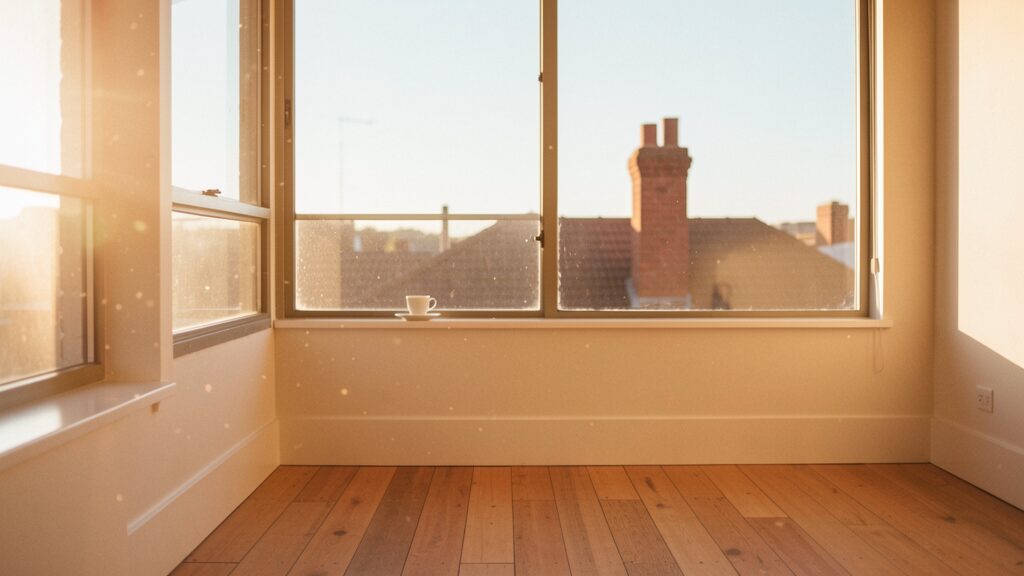
She likes it that way.
In Lieu of a Conclusion
There is a word in Italian, struggimento, that describes the ache of longing for something you cannot have. She came across it in a book about Renaissance architecture, buried in a footnote about the dome of the Florence cathedral. The scholar who wrote the footnote argued that the word is untranslatable, that it carries a quality of sweetness alongside the pain, a desire that is not diminished by its impossibility but sharpened. She closed the book and sat for a long time in the library, watching the light move across the floor.
She does not long for him in the way the word suggests. She does not long for a future, for a life, for a name on a lease. She longs for the afternoons, the ones that have already happened and the ones that have not yet. She longs for the key that sticks, for the creak of the floorboard, for the four o’clock bark of Marcela’s dog. She longs for the moment when the phone buzzes and she does not look, when everything outside the room is suspended, and the only thing that matters is the shape of the silence between them.
In Sydney, the cost of living is rising. The rents are unaffordable. The city is growing taller, denser, more expensive, more unlivable for everyone who does not own. She reads the headlines and feels a kind of solidarity with the city itself: they are both too expensive for themselves, both full of people who want things they cannot keep.
But she has this. She has the apartment, for now. She has the afternoons, for now. She has the memory of a hand on her waist, the weight of a body beside her in the dark, the taste of coffee the morning after, when the bitterness reminds her of something she does not have to name.
She is 42 years old in Sydney, and she is chosen.
That is enough.
Find a mistress in Sydney
Free sign-up. Manually verified profiles. No commitment.