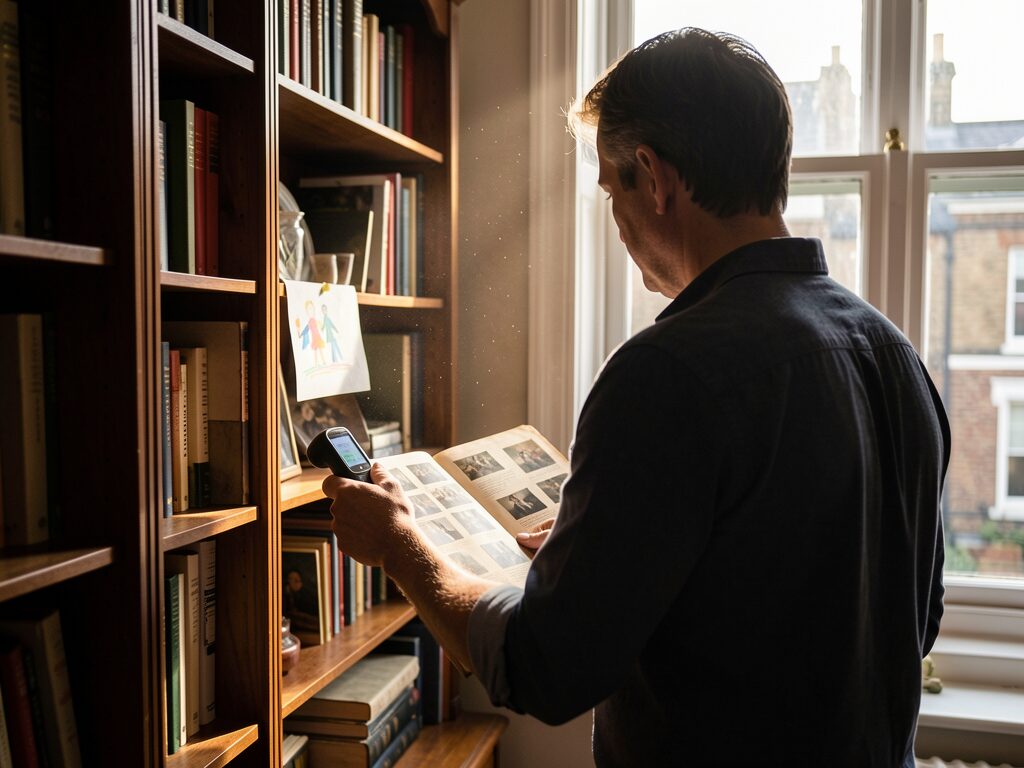
The Morning of the 10:17
Some mornings in London are so thick with potential that you can taste them. This particular Wednesday, for Leo, began not with an alarm but with the sound of his daughter Sophia’s feet hitting the floorboards in the next room at 6:47 AM. A small earthquake. A five-year-old’s internal clock, merciless and precise.
He lay still for a moment, listening to her chatter to the cat, a disgruntled rescue tabby named Marmalade who never quite forgave the intrusion, and allowed himself the luxury of a slow breath. The flat in Clerkenwell was still cool. The radiator in their bedroom had a personality of its own, a low, clanking complaint that Leo had grown fond of over the years. It was the sound of home.
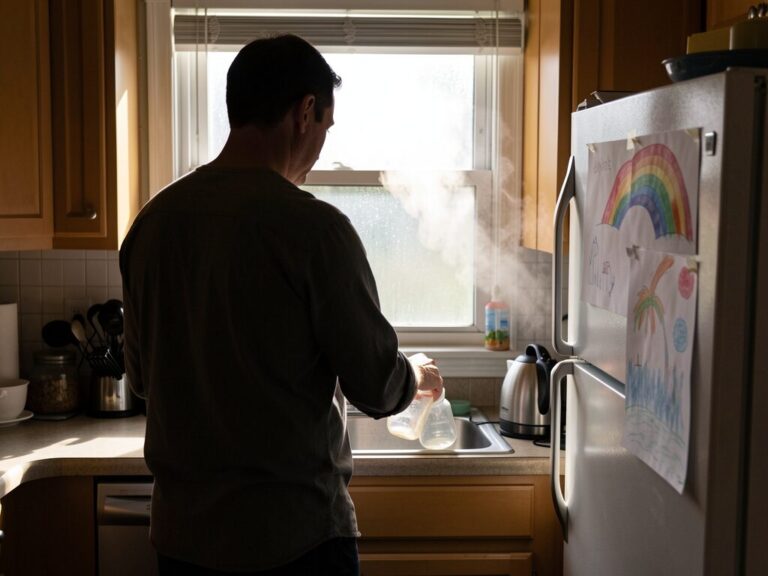
He padded to the kitchen, poured two glasses of water, and stood by the window while the kettle boiled. Outside, the city was only half-awake. A delivery van idled on the corner. A woman in running gear stretched against a lamppost. Normal, ordinary, clockwork London. And yet.
6:47 AM, The Coffee Maker
This is where the contradiction lives. Leo has a deeply held, almost evangelical opinion about the proper way to make a cafetière coffee: water at precisely 93 degrees, a coarse grind, four minutes exactly before the plunge. He has argued this point at dinner parties, watched friends commit what he considers minor culinary crimes with the wrong water temperature, and felt a small, righteous victory when they admitted his coffee was better. And yet, this morning, he filled the kettle from the hot tap, grabbed a pre-ground bag of supermarket Italian roast, and made the whole thing in under a minute. He told himself it was speed. It was not speed. It was the electric current of knowing that at 10:17 AM, a specific notification would arrive on his phone.
He drank the coffee standing up, staring at nothing. His husband, Daniel, came in at 7:02, still rumpled from sleep, and kissed the back of his neck. The gesture was automatic, tender, familiar. They had been together for eleven years next month. Daniel was a good man. They were good together, in all the ways that matter to the outside world. They owned the flat. They had a daughter. They had a subscription to the Young Vic. They had a joint account for the weekly Ocado delivery. A solid, enviable life.
Leo didn’t think of himself as unhappy. That would be the wrong word, a dramatic word, a word that implied something broken. What he felt was something subtler: a low, constant hum of more. A frequency barely audible over the day-to-day, but present. Persistent.
7:15 AM, The School Run
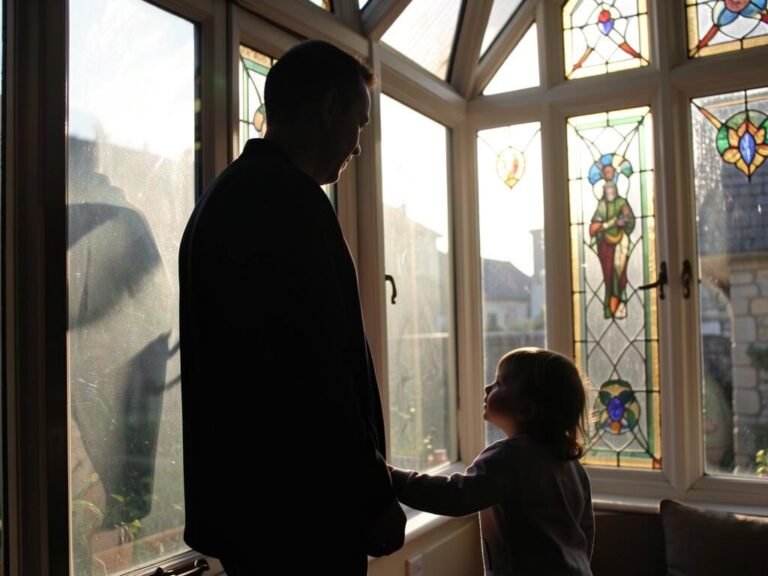
The streets around Clerkenwell Green are a particular kind of London theatre at drop-off time. The pushchairs, the scooters, the parents glancing at phones while pretending not to. Sophia was determined to walk on every single curb edge as if it were a tightrope. Daniel held her hand. Leo walked a few steps behind, watching them.
At the school gate, a cluster of parents discussed the news. According to Sky News, Prince Harry would visit London the following week, without Meghan or the children. The usual discussion followed: security, the rift, the cost of the Met Police protection. Leo listened, nodded, made the right sounds. He had opinions on it, too, but he kept them to himself. The truth was, the news felt like it belonged to another world, one where public figures negotiated their safety in the glare of cameras. His own negotiations were quieter, conducted in private messages and the weight of a glance held a second too long.
He kissed Sophia on the top of her head. “Have a brilliant day, little bear.”
She tightened her grip on his hand for a moment. “Will you pick me up today?”
“Not today, love. But I’ll be home before your bath.”
It was a small lie. He would be home, yes. But the question of when before her bath was doing a lot of work.
8:04 AM, The Laundry Folding
Back in the flat, Daniel was already on a work call in the living room. Leo folded laundry in the bedroom. Sophia’s T-shirts, impossibly small. Daniel’s button-downs, the ones he wore to the university where he taught art history. Leo’s own things: a navy jumper, a pair of dark jeans, a soft cotton shirt that he knew—knew—should not be put in the dryer, and he put it in the dryer anyway. A small, deliberate act of rebellion against his own better judgment.
He paused over a pale blue sweater. He had bought it for a trip to Brighton last spring. The weekend he had spent with James. He remembered the exact moment he had taken it off, the salt air on his skin, the way the room had smelled of sun-dried linen and something else, something he still couldn’t name without feeling his pulse shift. He folded the sweater carefully. Placed it at the bottom of the drawer. He didn’t wear it often anymore, but he didn’t get rid of it either.
This is the thing about longing: it leaves a physical trace. The taste of the next day’s coffee, bitter and too strong. The way a certain street at a certain hour catches the light. The silence after a door clicks shut.
9:30 AM, The Glass House
His office was a small glass-walled studio in a converted factory near Old Street. He was a digital preservationist, which meant he spent his days in the fragile, invisible architecture of other people’s memories. Photographs, documents, entire lives stored on hard drives that were one power surge away from nothing. His job was to make them last. To ensure that people’s histories would not be erased.
Pew Research reported a few years ago that the share of same-sex couples in the UK had grown significantly since the Marriage Act came into effect, though London remained the city with the highest concentration. Leo remembered reading the study and feeling a strange, layered emotion. He was a part of that statistic. A data point in a larger story of progress and visibility. And yet, here he was, a married gay man in London, living the life the activists had fought for, and still reaching for something his existence couldn’t quite name.
He looked at the screen. A new project: digitising the personal archive of a Bloomsbury-set poet, letters from the 1950s. Love letters, mostly. To a woman, a man, sometimes to the same person on the same day. The poet had loved fiercely and messily, without apology. Leo read a line: I want your voice in my ear when I am alone. I want the shape of your name in the morning.
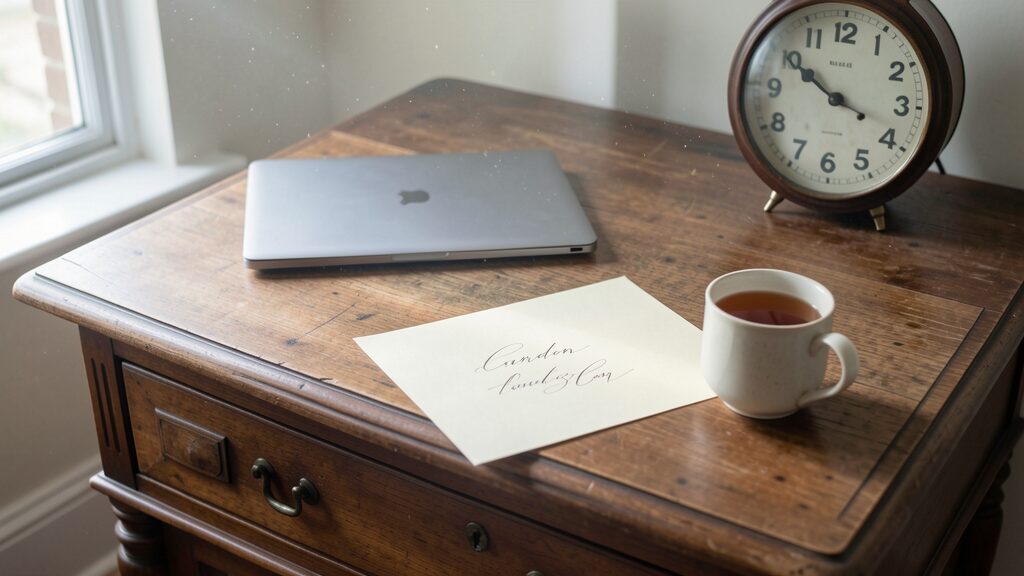
He closed the file. It was 10:15.
10:17 AM, The Notification
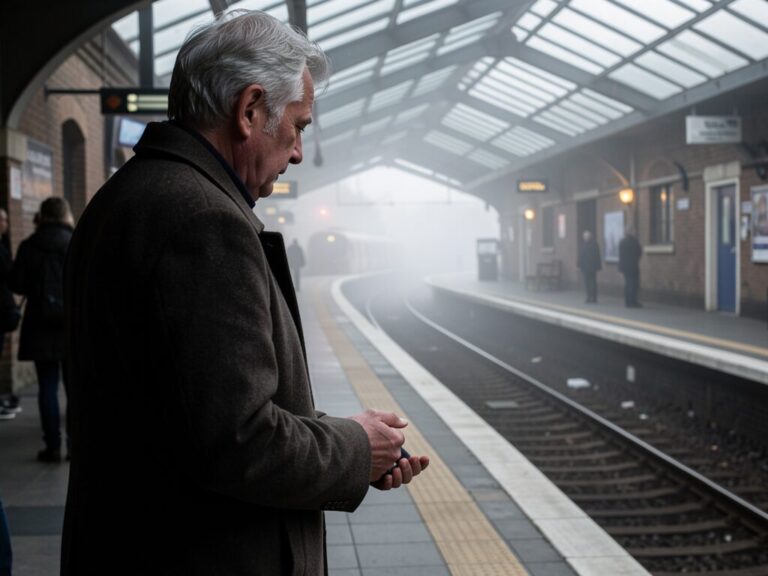
It arrived exactly on time, as it always did. A simple vibration. A name on the screen. No photo, just the message: Thursday? Same place. 6pm.
Leo looked at it for a full minute. He did not respond immediately. He did not need to. The joy of this arrangement, of this particular affair, was that there was no pleading, no guilt, no negotiation. It was a clean transaction of desire, recognised and accepted by both parties. His spouse was never mentioned, never slighted. This was not about lack. It was about addition. A room in his internal architecture that only one person was meant to enter, and what happened there stayed there, without regret.
He typed: See you there.
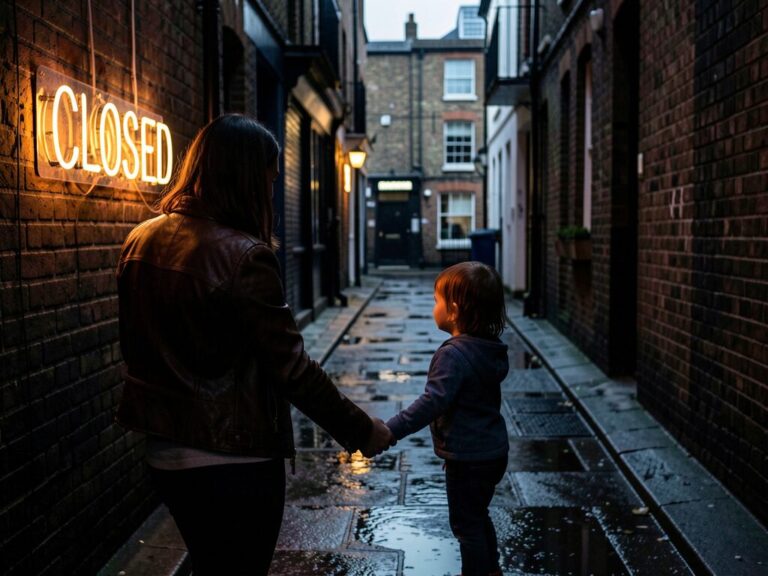
Then he put the phone face-down on his desk, opened the poet’s letters again, and let himself imagine the Thursday evening he would not tell anyone about. The walk to the small bar near King’s Cross. The smell of rain on hot pavement. The hand that would find his under the table.
The rest of the day stretched ahead, full of work and routine and a quiet, electric hum. He could still taste the coffee. He could still feel the weight of the phone in his pocket. He had a meeting at 11. A school pickup at 3. A life that looked, from the outside, exactly as it should.
But inside the glass box, inside the morning, inside the moments no one would ever see, a married gay man in London was already living Thursday.
Meet discreet married gay men in London
Sign up for free and start a new story.